
Then and Now: Technology, Power, and Black Resistance
The Underground Railroad and Modern Networks of Care
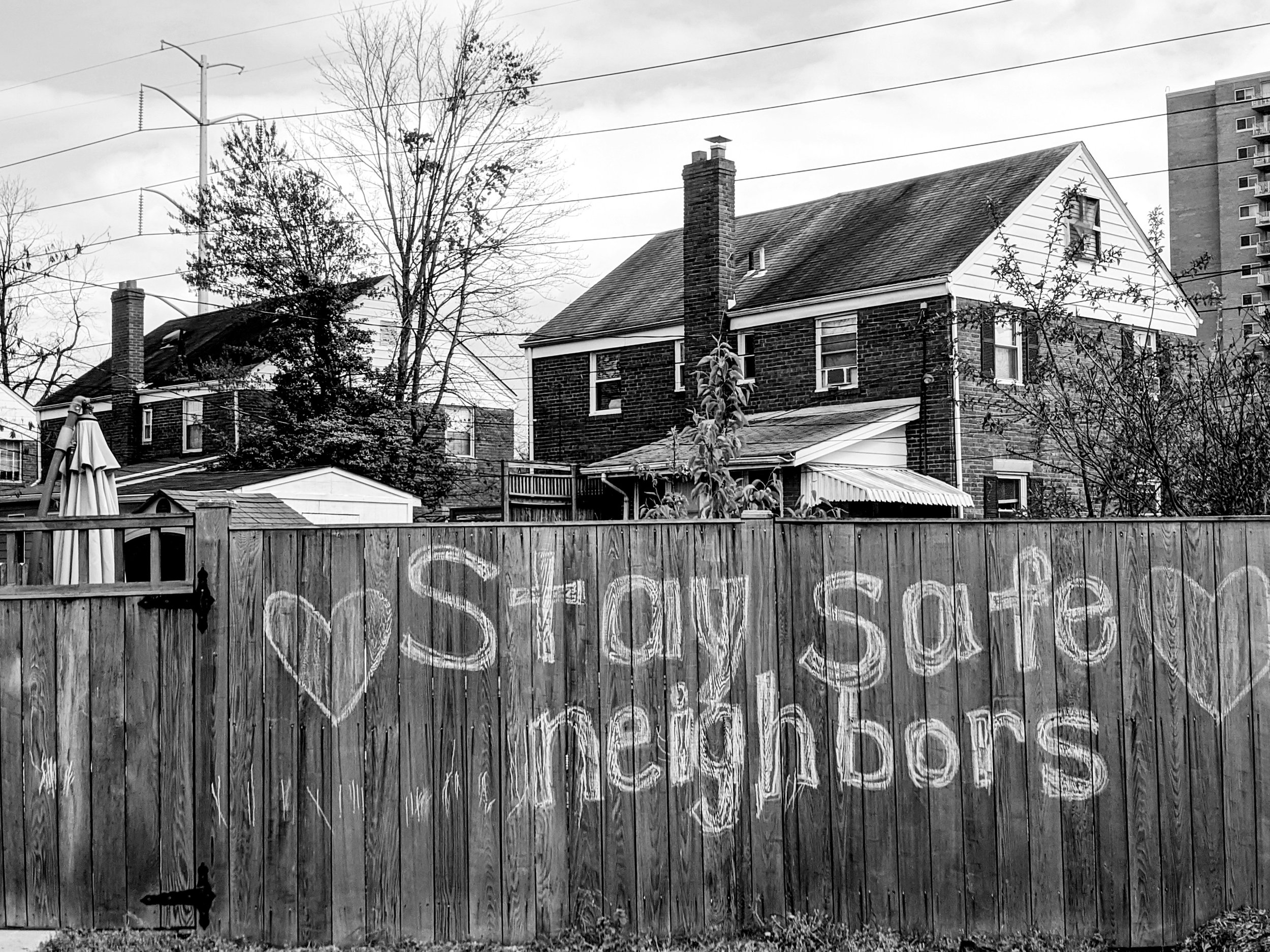
Across the United States, communities are responding to fear and uncertainty not with chaos, but with care. Neighbors share information quietly. People look out for one another. Informal systems emerge when formal ones feel unreliable.
This moment may feel unprecedented, but it isn’t.
When systems of power fail to provide protection, Black resistance has consistently taken the form of building alternative systems of communication, care, and safety using the tools available at the time. What we are witnessing today is not new, but the modern expression of a long-standing tradition.
To understand what is happening now, we need to understand how this has worked before.
Technology Has Always Been About Power
Technology is often framed as neutral or inevitable, but history tells a different story. Every tool exists within a power structure. Who controls it, who has access to it, and who bears the risk all matter.
For Black communities, technology has rarely arrived evenly or safely. It has often been introduced through systems that monitored, restricted, or excluded. Resistance, then, has not meant rejecting technology outright. It has meant understanding systems well enough to use them differently, or to build alternatives when existing ones caused harm.
Long before technology meant computers, apps, or digital platforms, Black communities were already engaging in sophisticated systems thinking.
One of the clearest examples of this is the Underground Railroad.
The Underground Railroad as a System
The Underground Railroad is often remembered as a collection of heroic individual acts. While those stories matter, they can obscure what made the system effective.
At its core, the Underground Railroad was a decentralized network designed to move people, information, and resources through a hostile environment. It relied on trust, shared knowledge, coded communication, and cooperation across communities. Information had to move carefully. Routes shifted. Signals changed. People adapted in real time.
This was not improvisation alone. It was design.
Communities built parallel systems because the dominant systems of the time were not built to protect them. The law existed, but protection did not. Survival required understanding how power operated and finding ways to move within and around it.
That lesson still matters.
Then and Now: Modern Networks of Care
The Underground Railroad was not a single route or organization. It was a layered system made up of many roles, each designed to reduce harm in a dangerous environment.
Those same roles exist today, even though the tools have changed.
In the present moment, we see modern networks of care forming around safety, information, and protection.
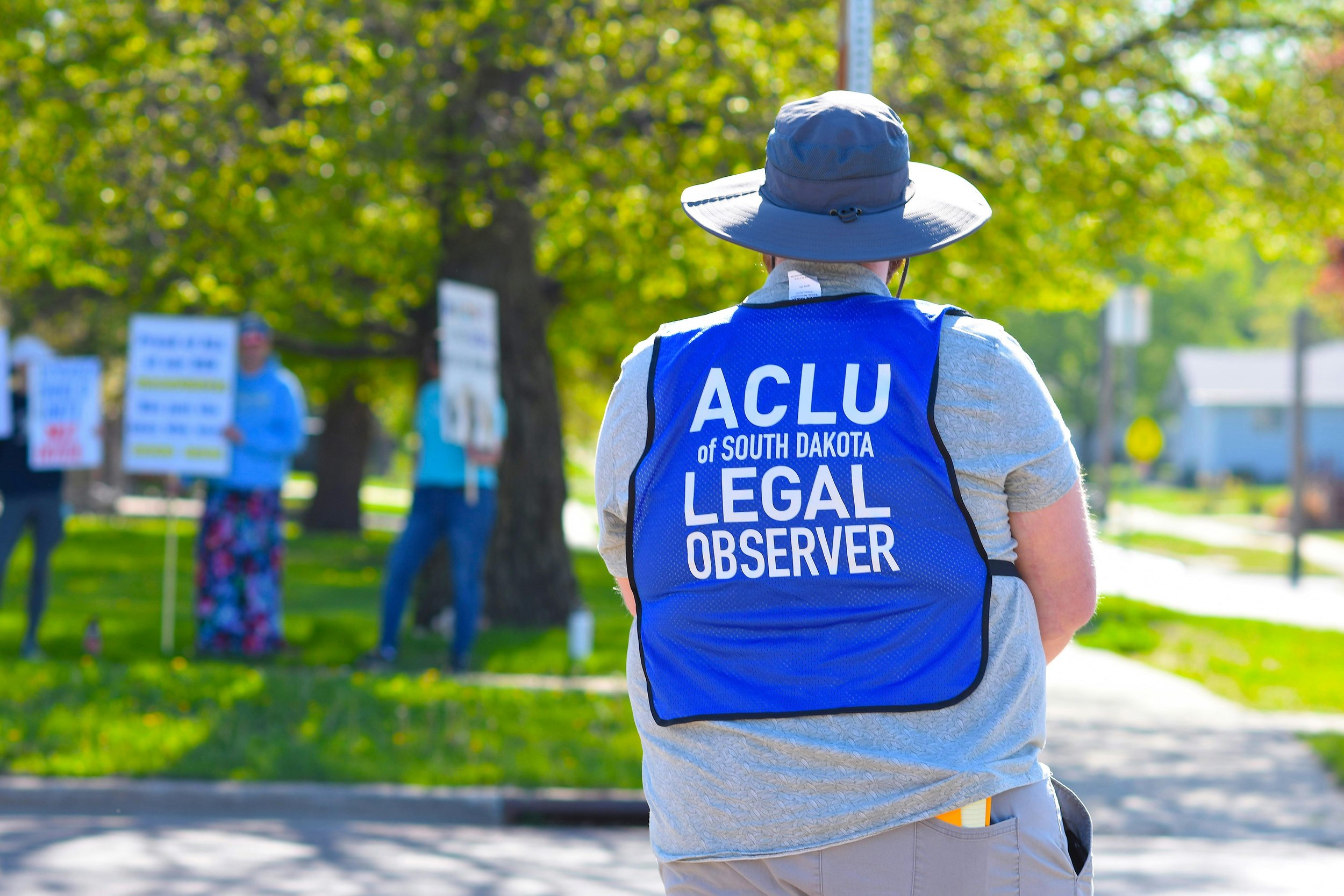
Legal observers function as witnesses. Their role is not intervention, but accountability. Historically, resistance depended on people who documented conditions, tracked risks, and carried knowledge across communities. Observation itself was a form of protection.
Safety and information networks act as early warning systems. They help people understand where risk exists, when conditions have changed, and how to make informed decisions. This mirrors how information once traveled quietly through trusted channels, adapting as circumstances shifted.
Whisper networks move information through trust rather than scale. They rely on personal relationships instead of visibility. Like the Underground Railroad, they prioritize discretion over reach.
Remote support extends care beyond physical presence. When people cannot safely move, support moves instead. Historically, this meant food, shelter, and guidance passed through intermediaries. Today, it may look like coordination, check-ins, or shared resources across distance.
None of these systems exist to confront authority directly. They exist to reduce harm, preserve dignity, and keep people connected when formal protections feel unreliable.
This is what continuity looks like.

Why This History Matters Now
For Black communities, this is not a new question. What is new is how familiar these conditions are becoming for others navigating uncertainty and risk today.
Black history does not just record what was survived. It shows how people learn to navigate systems when protection is uneven. That knowledge is not confined to the past. It becomes relevant whenever fear replaces trust in institutions.
Understanding the Underground Railroad as a technological system challenges how we think about both history and innovation. It reminds us that technology is not just hardware or software. It is the intentional use of tools, knowledge, and networks to solve problems under real constraints.
The TechArts Lens
At TechArts, this understanding shapes how we approach technology education.
Teaching young people how systems work is not just about preparing them for jobs. It is about giving them the awareness to ask critical questions, recognize patterns, and imagine alternatives. Systems literacy is a form of agency.
Black resistance has always involved learning early, adapting intelligently, and building care where it was denied. That history is not finished.
It is still unfolding.
And the next chapter is being written now.
